|
Hotel Name
|
Room Type /Rates
|
Validate
|
|
Grand Quality
Jalan Adisucipto No.48 |
| Room |
Single
|
Twin
|
| Deluxe |
225.00
|
225.00
|
| Executive |
314.00
|
314.00
|
|
Until DECEMBER 2010
Include Breakfast
|
|
Hyatt Regency
Jalan Palagan Regency |
| Room |
Single
|
Twin
|
| Garden View |
428.00
|
428.00
|
| Garden View Balcony |
475.00
|
475.00
|
| Regency Club |
522.00
|
522.00
|
|
Until JUN 2010
Include Breakfast
|
|
Ibis Malioboro
Jalan Malioboro 52-58 |
| Room |
Weekday
|
Weekend
|
| Standard |
262.00
|
277.00
|
| Superior |
281.00
|
297.00
|
|
Until JUN 2010
Include Breakfast
|
|
Jayakarta
Jalan Adi Sucipto Km 58 |
| Room |
Weekday
|
Weekend
|
| Deluxe |
215.00
|
239.00
|
| Executive |
318.00
|
318.00
|
| Surcharge : 98.00(15Jun-15 Jul) |
| Surcharge : 123.00 (3-14 Sep) & (24-31Dec) |
|
Until 31 DECEMBER 2010
Include Breakfast
|
|
Jogjakarta Plaza
Jalan Gejayen Kompl Colombo |
| Room |
Single
|
Twin
|
| Deluxe |
255.00
|
255.00
|
| Deluxe Pool View |
280.00
|
280.00
|
| Executive Deluxe(new) |
292.00
|
292.00
|
| Exe. Deluxe Pool View(new) |
292.00
|
292.00
|
|
Until JAN 2011
Include Breakfast
|
|
Melia Purosani
Jalan Suryotomo No.31 |
| Room |
Single
|
Twin
|
| Deluxe |
352.00
|
352.00
|
| Grand Deluxe |
371.00
|
371.00
|
|
Until DECEMBER 2010
Include Breakfast
|
|
Novotel Hotel
Jalan Jend.Sudirman 89 |
| Room |
Single
|
Twin
|
| Standard |
283.00
|
283.00
|
| Superior |
322.00
|
322.00
|
|
Until 22 JUN 2010
Include Breakfast
|
|
Santika Premier Hotel
Jalan Jend.Sudirman19 |
| Room |
Single
|
Twin
|
| Standard |
271.00
|
271.00
|
| Executive |
330.00
|
330.00
|
|
Until SEP 2010
Include Breakfast
|
|
Saphir Jogja
Jalan Laksda Adisucipto38 |
| Room |
Classic
|
Premiere
|
| Superior |
220.00
|
225.00
|
| Deluxe |
241.00
|
283.00
|
|
Until DECEMBER 2010
Include Breakfast
|
|
Sheraton Mustika
Jalan Adisucipto Km8.7 |
| Room |
Single
|
Twin
|
| Grand Room |
357.00
|
357.00
|
| Vulcano/Pool View |
390.00
|
390.00
|
|
Until SEP 2010
Include Breakfast
|
|
The Phoenix(ex Grand Mercure)
Jalan Jend.Sudirman 9-11 |
| Room |
Single
|
Twin
|
| Superior Balcony |
336.00
|
336.00
|
| Deluxe Balcony |
385.00
|
385.00
|
| Executive |
436.00
|
436.00
|
|
Until JUN 2010
Include Breakfast
|
|
Sahid Hotel
Jalan Babarsari |
| Room |
Single
|
Twin
|
| Business |
197.00
|
197.00
|
| Cottage |
225.00
|
225.00
|
|
Until 30 DEC 2010
Include Breakfast
|
|
Inna Garuda
Jalan Malioboro 72 |
| Room |
Weekday
|
Weekend
|
| Superior |
225.00
|
248.00
|
| Deluxe |
271.00
|
294.00
|
|
Until 17 JUN 2010
Include Breakfast
|
|
Puri Artha
Jalan Cendrawasih No.36 |
| Room |
Single
|
Twin
|
| Superior Twin |
199.00
|
199.00
|
| Deluxe Twin |
225.00
|
225.00
|
| Deluxe Special |
301.00
|
301.00
|
|
|
| Deluxe Twin |
274 .00
|
274 .00
|
| Deluxe Special |
297.00
|
297.00
|
| Deluxe Twin |
371.00
|
371.00
|
|
Until 1 JAN-8 SEPT 2010
Until 13 SEPT-22 DEC 2010
Include Breakfast
|
|
|
Until 9 -12 SEPT 2010
Until 23 - 29 DEC 2010
Include Breakfast
|
Sejahtera Apartment
Jalan Pringgodani 22
Demangan Baru |
| Room |
Single
|
Twin
|
| 1Bed(2pax) |
141.00
|
141.00
|
| 2Bed(4pax) |
232.00
|
232.00
|
| 3Bed(5pax) |
285.00
|
285.00
|
| Penthouse(7pax) |
406.00
|
406.00
|
|
Until 1-17 JUN 2010
Include Breakfast
|
|










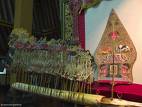 ultural centers of Java. This region is located at the foot of the active Merapi volcano, Yogyakarta was in the 16th and 17th centuries the seat of the mighty Javanese empire of Mataram from which present day Yogyakarta has the best inherited of traditions. The city itself has a special charm, which seldom fails to captivate the visitor.
 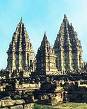 o the Sultanates of Yogyakarta and Surakarta (Solo). Gamelan, classical and contemporary Javanese dances, wayang kulit (leather puppet), theater and other expressions of traditional art will keep the visitor spellbound. Local craftsmen excel in arts such batiks, silver and leather works. Next to the traditional, contemporary art has found fertile soil in Yogya's culture oriented society. ASRI, the Academy of Fine Arts is the center of arts and Yogyakarta itself has given its name to an important school of modern painting in Indonesia, perhaps best personified by the famed Indonesian impressionist, the late Affandi.
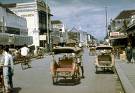 tretches from Mount Merapi to the Indian Ocean. There is daily air service to Yogya from Jakarta, Surabaya and Bali as well as regular train service and easy accessibility by road. Yogyakarta is commonly considered as the modern cultural of Central Java. Although some may prefer Solo as a good runner up, Yogyakarta remains the clear front-runner for traditional dance, Wayang (traditional puppetry) and music.